Free admission · Thu & Fri 9–2 · Sat 9–5

Two hundred years, three rooms, no admission charge.

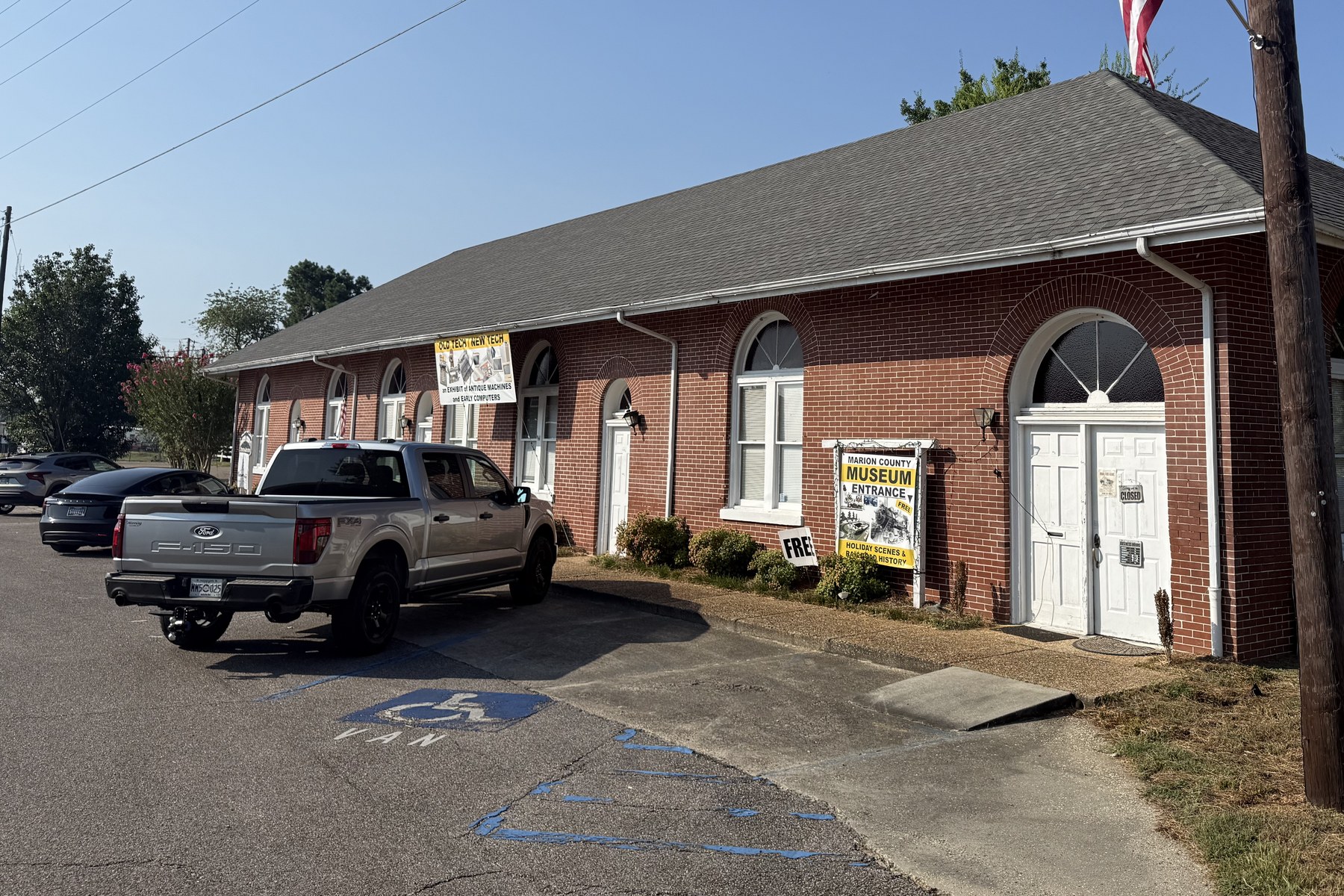
The Marion County Museum & Archives, kept by the Marion County Historical Society since 1962.

Before you drive over

Hours are different for the next few weeks.

The museum's regular hours are Thursday and Friday 9:00–2:00, Saturday 9:00–5:00. Between now and the middle of September that changes twice:

  • Through Wednesday, August 19 — regular hours.
  • Thursday, August 20 through Saturday, September 5Saturdays only, 9:00 a.m. to 5:00 p.m. That is Saturday August 22, Saturday August 29 and Saturday September 5. Closed the rest of those weeks.
  • Sunday, September 6 through Saturday, September 12closed all week while a new exhibit is installed. Note this includes that Saturday.
  • From Thursday, September 17 — back to regular hours.

If you are making a special trip, call 601-731-3999 first. It is a small volunteer organization and a plan can change.

Marion County Museum & Archives

Address200 Second Street #3, Columbia, MS 39429
HoursRegular hours: Thursday & Friday 9:00 a.m.–2:00 p.m., Saturday 9:00 a.m.–5:00 p.m. · Closed Sunday–Wednesday · ⚠️ Temporary changes Aug 20 – Sept 16, see above

Plan your visit

Admission is free. It always has been.

Hours — Thursday and Friday, 9:00 a.m. – 2:00 p.m. Saturday, 9:00 a.m. – 5:00 p.m. Closed Sunday through Wednesday. (Temporary changes between August 20 and September 16 — see above.)

AdmissionFree. Bring the kids, bring the out-of-town guests, bring your questions.

Where200 Second Street #3, a block off the square.

Kept by — the Marion County Historical Society, which has been collecting, preserving and retelling this county's story since 1962. The Society also owns and operates the Rev. John Ford Home at Sandy Hook.

Getting in touch601-731-3999 or marioncountyhist@yahoo.com. The Society is a small volunteer organization, so email reaches them most reliably if nobody picks up.

If the hours on the door and the hours on this page ever disagree, the door wins — tell us and we will fix it the same week.

On the calendar

What's coming up.

AUG20

Museum on Saturday hours only

🕐 Saturdays 9:00 a.m.–5:00 p.m. 📍 Marion County Museum & Archives, 200 Second Street #3

The museum is open Saturdays only during this stretch — August 22, August 29 and September 5. Closed the rest of those weeks. Call 601-731-3999 before a special trip.

Details →
NOV20

New Photos from the B.B. Bradley Collection

📍 Marion County Museum & Archives, 200 Second Street #3

A new exhibit of photographs from the B.B. Bradley Collection — Columbia street scenes, the old courthouse, parades, storefronts and everyday life. Free. Note the museum keeps reduced hours from August 20 and is closed the week of September 6 while a new exhibit is installed — check the hours before making the trip.

Details →
SEP4

Skirmish for Fordsville — Civil War Reenactment

🕐 Battle reenactments Saturday 2:00 p.m. and Sunday 1:00 p.m.; Friday is local school day 📍 The John Ford Home, 150 John Ford Home Rd, Sandy Hook

Sutlers, food and vendors on the grounds of the 1800 John Ford Home. Admission $10.00; children under 10 free. Contact Thomas "Fish" Stone at 662-609-1371.

SEP6

Museum closed — new exhibit installation

📍 Marion County Museum & Archives, 200 Second Street #3

Closed all week, including that Saturday, while a new exhibit goes in. Regular hours resume Thursday, September 17.

Details →
OCT3

61st Annual Heritage Festival

🕐 9:00 a.m. to 4:00 p.m. 📍 City Park, Broad Street

The Marion County Historical Society's biggest day of the year — vendors, arts, crafts, food and music. Vendor applications: email marioncountyhist@yahoo.com.

The collections

From arrowheads to game balls.

The collections run the whole span of life here — Native American artifacts from the centuries before the town, through pioneer and railroad-era pieces, to local sports memorabilia from a small town that keeps turning out big athletes. A current exhibit, Old Tech / New Tech, puts antique machines beside early computers.

Behind the exhibits is an archive the Historical Society keeps growing — photographs, documents and family records. If you are researching a Marion County family, this is where to start.

What follows are three of the stories the museum tells.

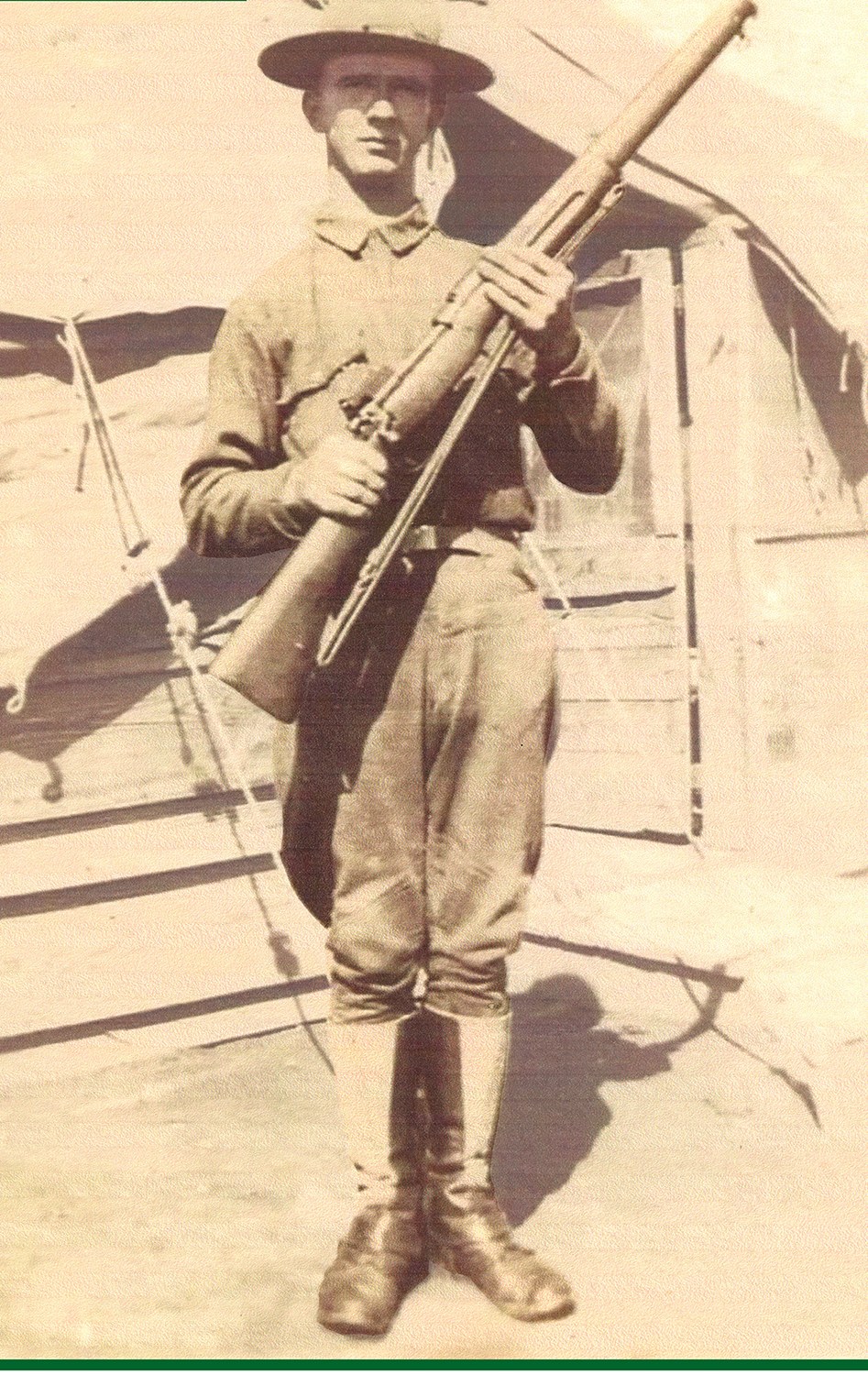
Private Horatio Weston Rankin in uniform, holding his rifle, photographed at an army camp before shipping out Marion County's first

Marion County's first

Horatio Weston Rankin, 1892–1918.

The first World War I casualty from Marion County. Horatio W. Rankin was the eldest child of Thomas Jessie Rankin and Hettie Lewis, both descended from early settlers here. He fought with the 3rd Division, 38th Infantry, Company F, through the engagements at St. Mihiel and the Meuse-Argonne — two pushes that were critical in bringing the war to an end on November 11, 1918. He did not come home from the second one.

He is buried in the Meuse-Argonne American Cemetery and Memorial in France. American Legion Post #90 in Columbia carries his name.

In June 2022, soil from Rankin's gravesite in France was brought back to Mississippi and interred under the Veteran's Monument in Friendship Park, here in Columbia.

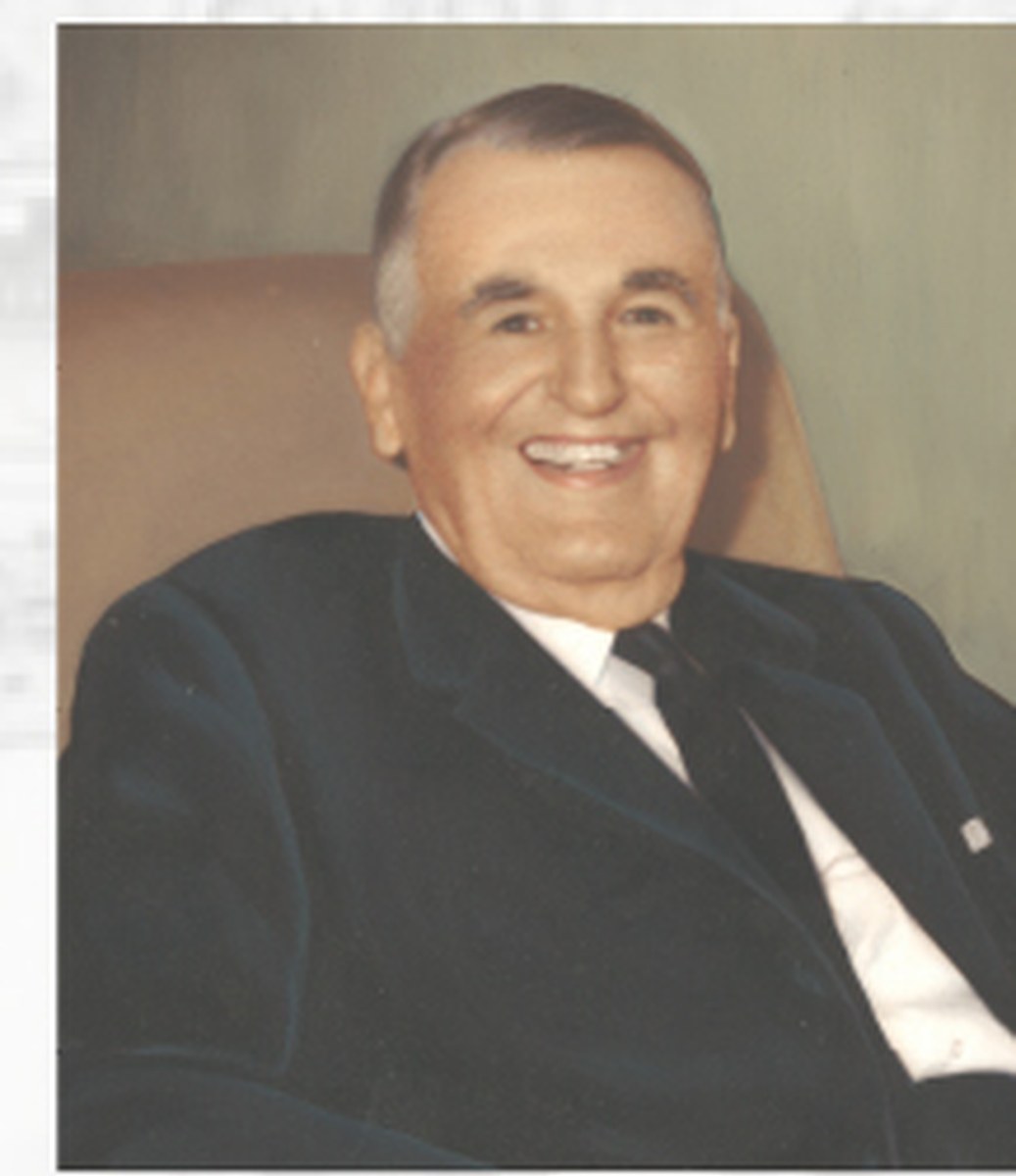
Governor Hugh Lawson White seated in a chair, smiling, in a dark suit and tie A Columbia mayor who became governor

A Columbia mayor who became governor

Hugh Lawson White and the program that started here.

BAWI — Balance Agriculture With Industry. Hugh Lawson White began it in 1929 as Columbia's mayor, recruiting northern industry to Marion County. It worked well enough that the State of Mississippi adopted the whole plan, and White went on to serve two terms as governor — 1936–1940 and 1952–1956.

The museum's exhibit follows him through it: with President Franklin D. Roosevelt, with Henry Ford, with Louisiana Governor Robert Kennon, with the first Mississippi A&I Board in 1944, and at home with his wife Judith Sugg White on their fiftieth anniversary.

The Hugh White Mansion on Keys Hill still stands in Columbia.

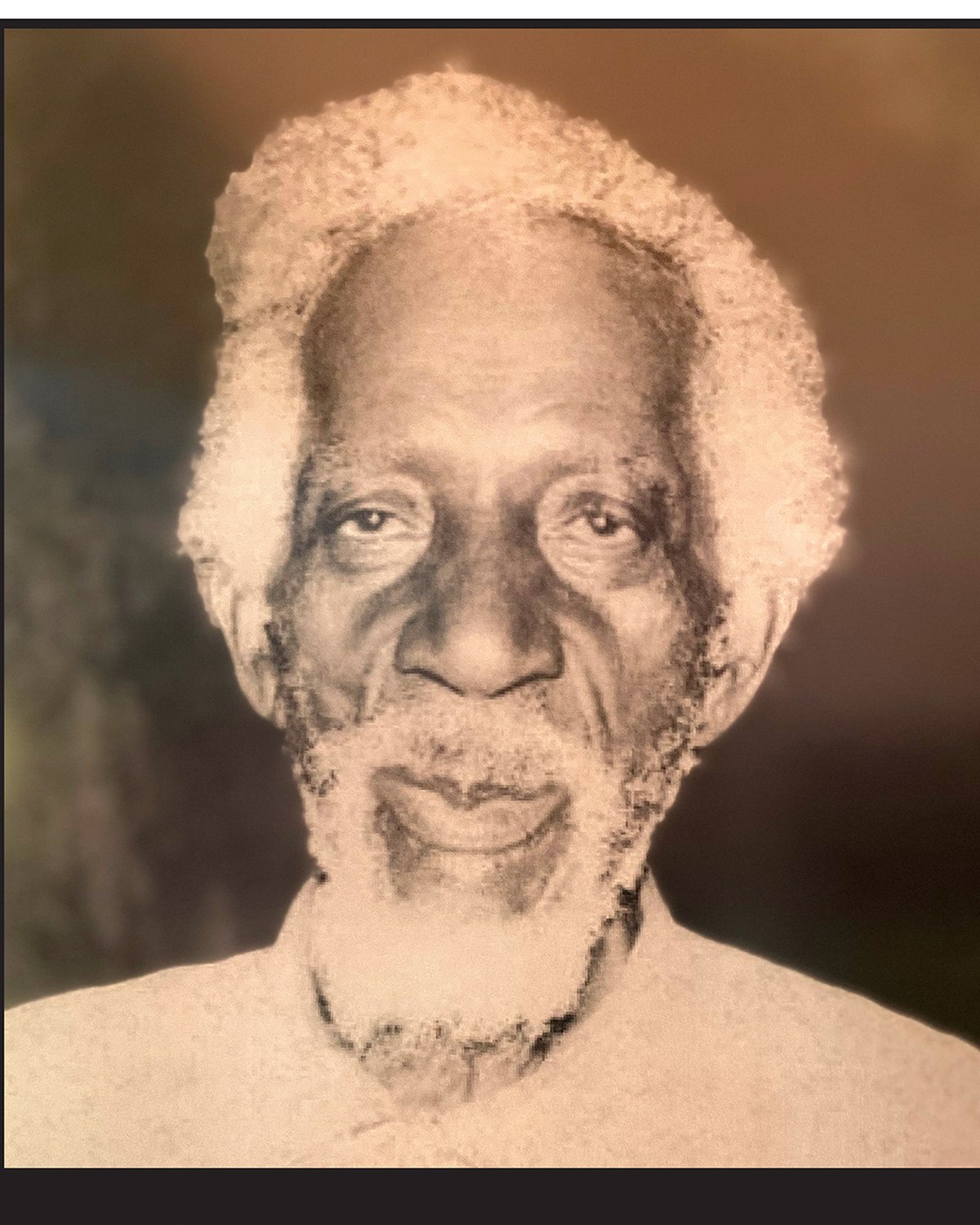
Portrait of Sylvester Magee as an elderly man with white hair and beard The story the county has told for a century

The story the county has told for a century

Sylvester Magee.

Some say the oldest slave, the oldest man, and the oldest Civil War veteran. May 29, 1841 – October 15, 1971 — 130 years old. Mr. Magee spent much of his life in Marion County and is buried here.

Oral history, through family and historians' interviews, tells the following amazing story of Marion County resident Sylvester Magee.

He was born in a town that no longer exists — Carpet, North Carolina — one of eight children born of slaves named Ephraim and Jeanette, who worked on the J.J. Shanks plantation. Little else is known of his childhood and youth. At age 19, just before the Civil War, he was purchased from a slave market at Enterprise, Mississippi, by Hugh Magee, and Sylvester eventually adopted his last name.

One source indicated that he was in time sold by his owners to Victory Steen, who operated a plantation near Florence, Mississippi. Magee eventually ran away from the Steen plantation and joined the ranks of the Union Army, where he was wounded at Vicksburg. After the war he returned to Marion County a "freedman" and farmed near Columbia with a white man named Tom Mix. He also resided in Hattiesburg.

Mr. Magee's claim to age was supported by slave-trading records and a family Bible — since destroyed — that had handwritten notes verifying his birthdate. In 1969 he was reported to be able to identify a picture of Hugh Magee, the slave owner who bought the youth in 1860.

Magee lived on welfare, and for a number of years lived in a ramshackle house with no running water. One oil lamp provided light, and he chopped wood for heat. His later years he lived with his daughter.

The Veterans Administration acknowledged Magee's information as a Civil War veteran and treated him for pneumonia. A highlight of his life was receiving a letter of congratulations on his 124th birthday from President Lyndon B. Johnson.

Newspapers across the country carried articles about Sylvester Magee — from Mississippi to Louisiana, St. Louis, and the New York Times. Mr. Magee also visited New York City for appearances on national television programs. In 1964, during Freedom Summer, Sandy Leigh and Doug Smith explained voter registration to him.

Also the Society's

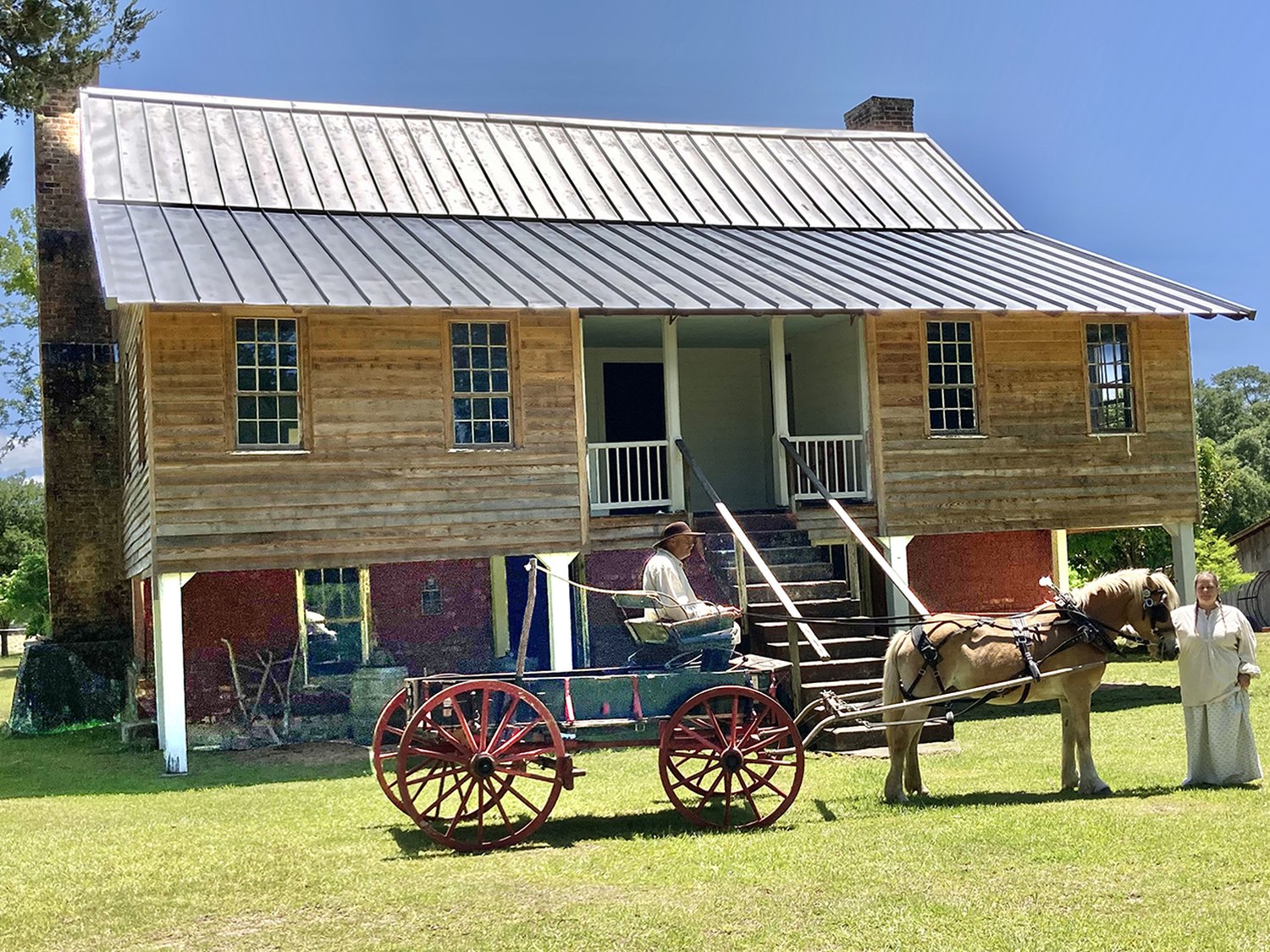
The Rev. John Ford Home at Sandy Hook.

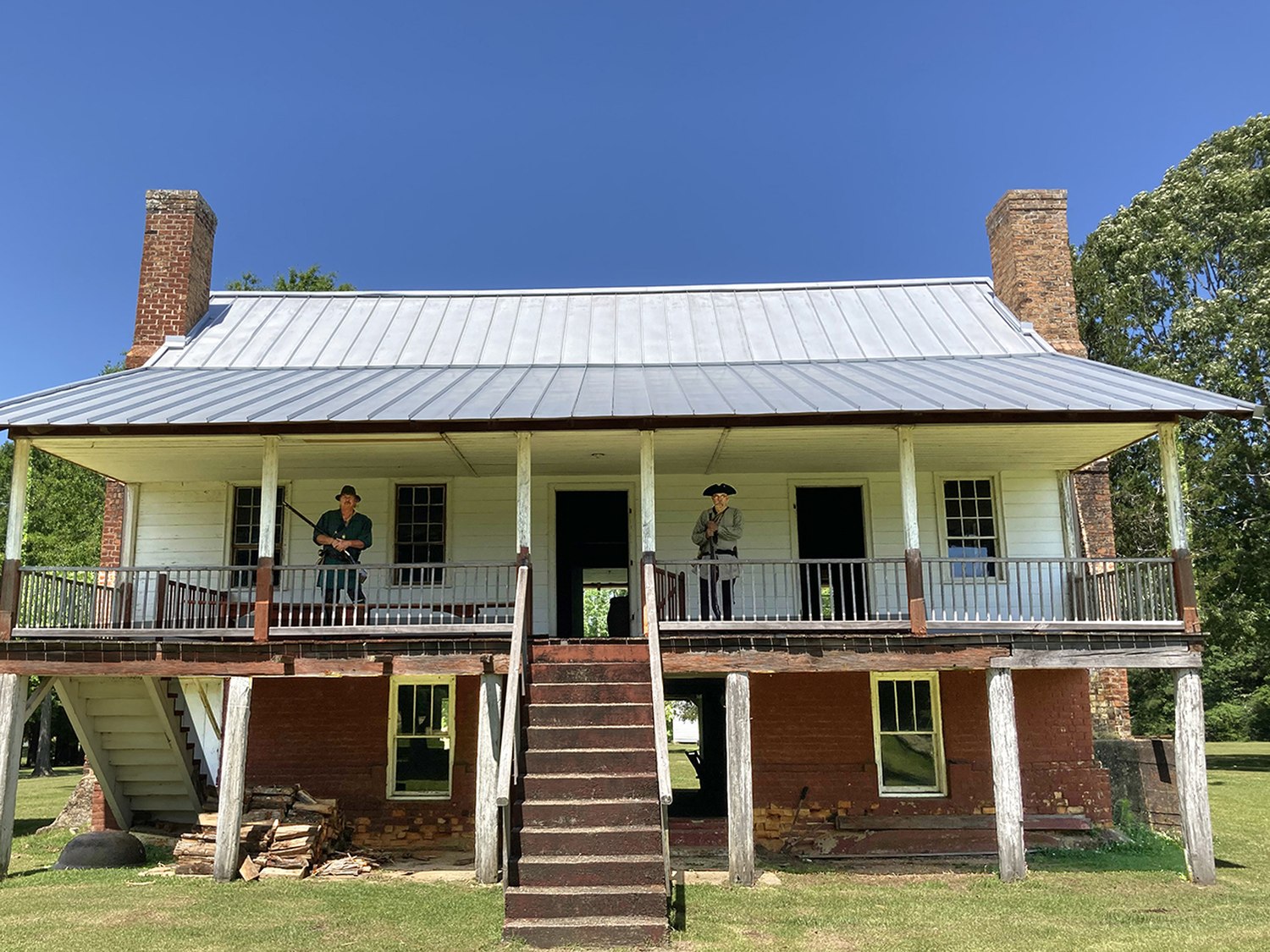
The oldest frontier-style home in the Pearl River Valley, built in 1800 and owned by the Marion County Historical Society. It is on the National Register of Historic Places, and carries markers from the United Methodist Church (Historic Site No. 527), the Magnolia Chapter of the Mississippi Society, and the National Society of Colonial Dames XVII Century.

More Mississippi history happened in this house than in most public buildings in the state:

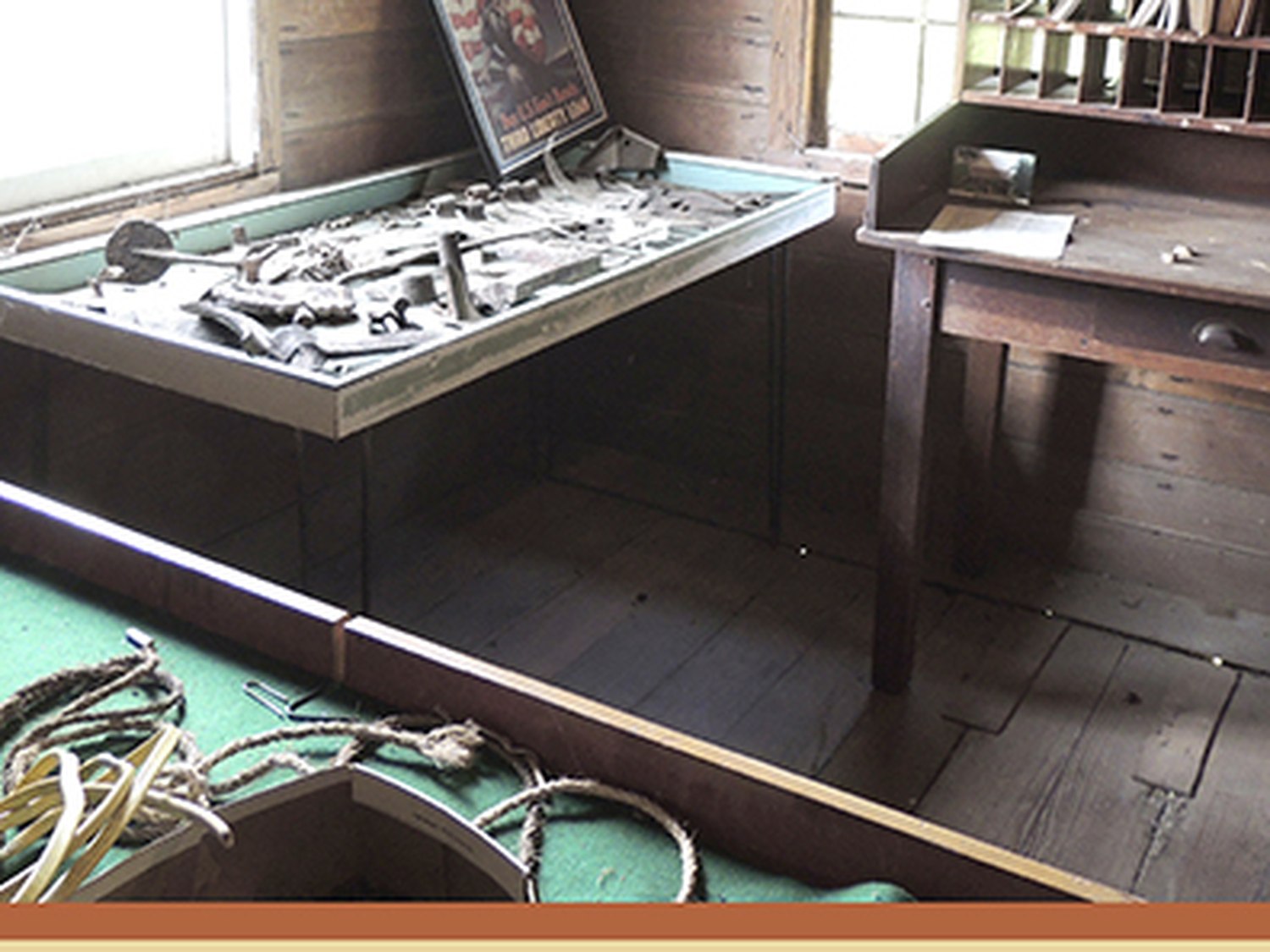
  • 1812 — one of the first post offices in the territory is established here, at a major intersection of the post roads.
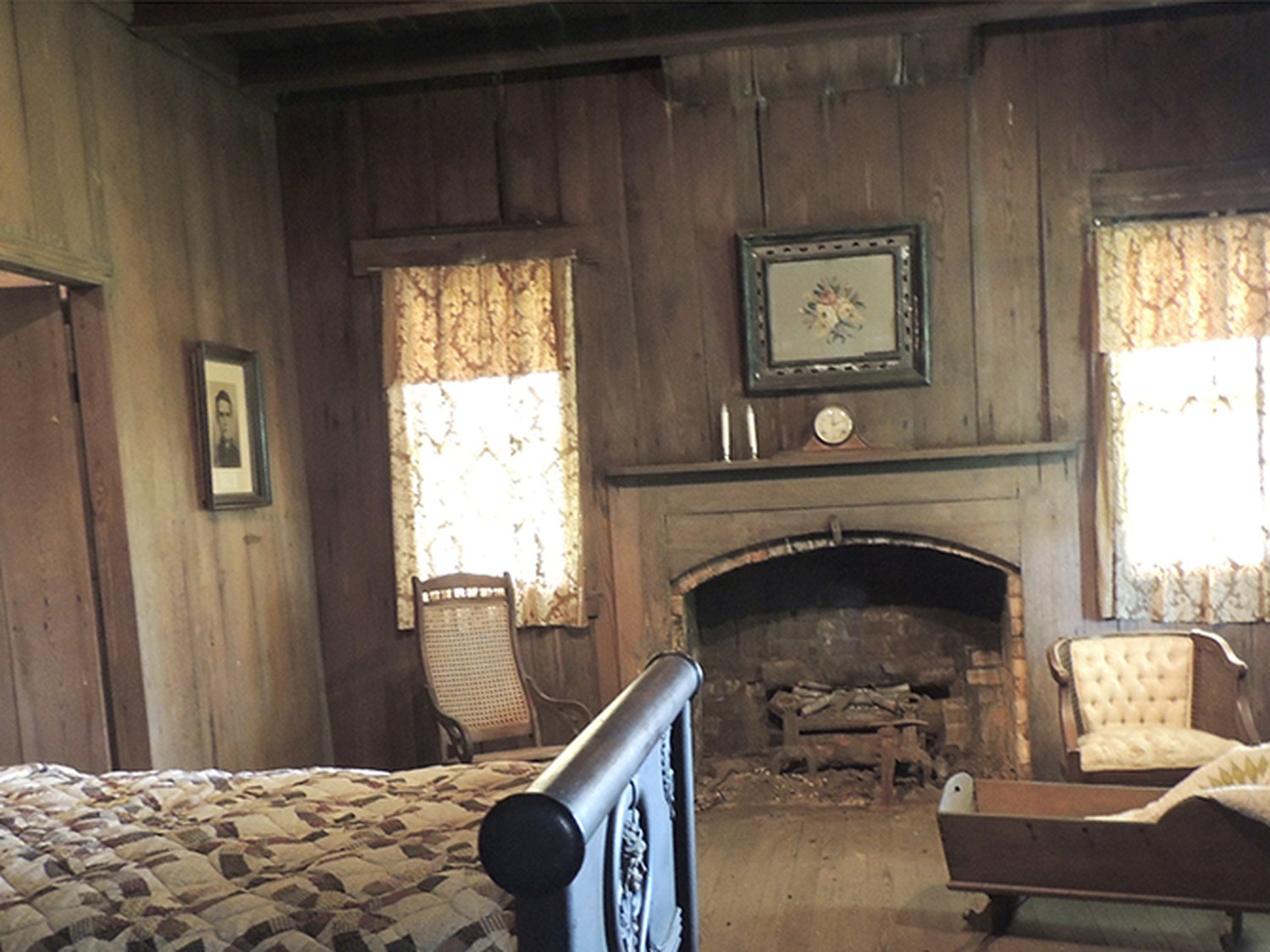
  • 1814General Andrew Jackson spends the night of November 27 on his way to the Battle of New Orleans, with his militia and Choctaw allies. The room he slept in is still furnished.
  • 1816 — the Pearl River Convention meets here to draft a resolution for Mississippi statehood. Statehood follows the next year.

The house is open for events, including the Skirmish for Fordsville reenactment each September. 150 John Ford Home Rd, Sandy Hook, MS.

Inside the John Ford Home

The John Ford Home, a two-story frontier house with a covered porch, with a horse and carriage on the lawn
The house from the yard
The front elevation of the John Ford Home with interpreters in period dress on the upper porch
The front porch, with interpreters
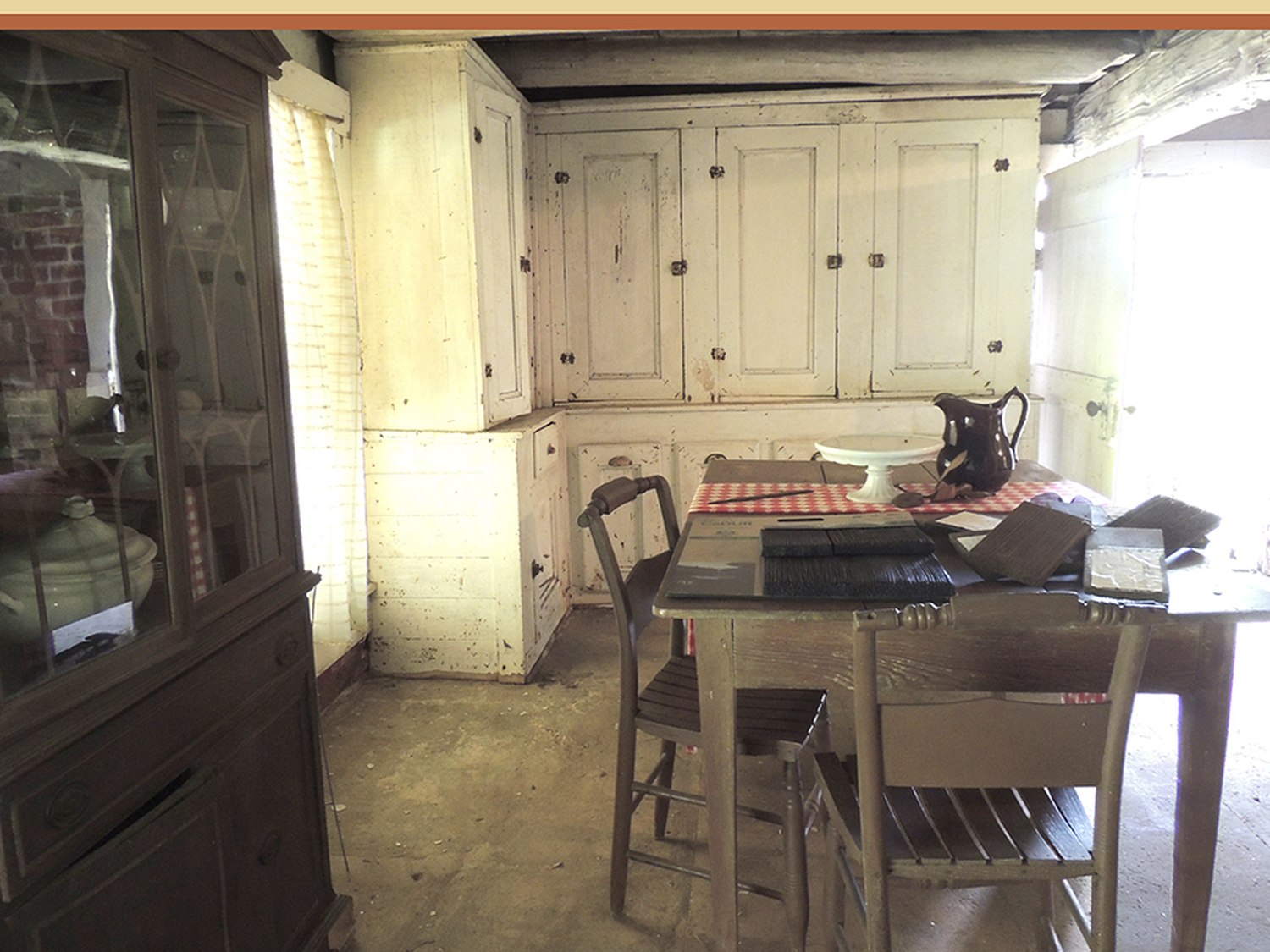
The lower floor kitchen of the John Ford Home with a plank table, ladder-back chairs and a cupboard
Lower floor — the kitchen
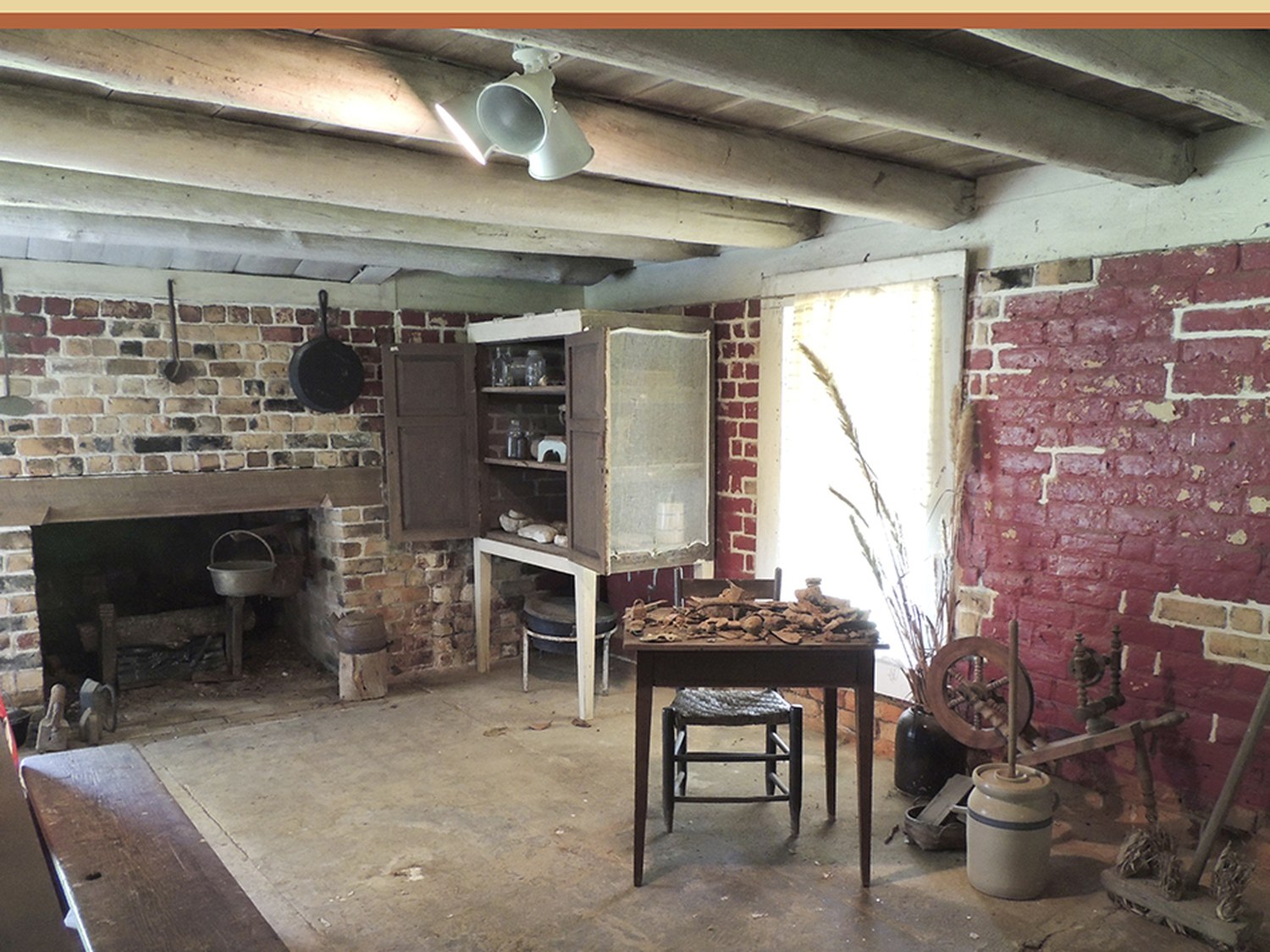
A wide brick cooking hearth on the lower floor with iron implements and a spinning wheel
Lower floor — the hearth
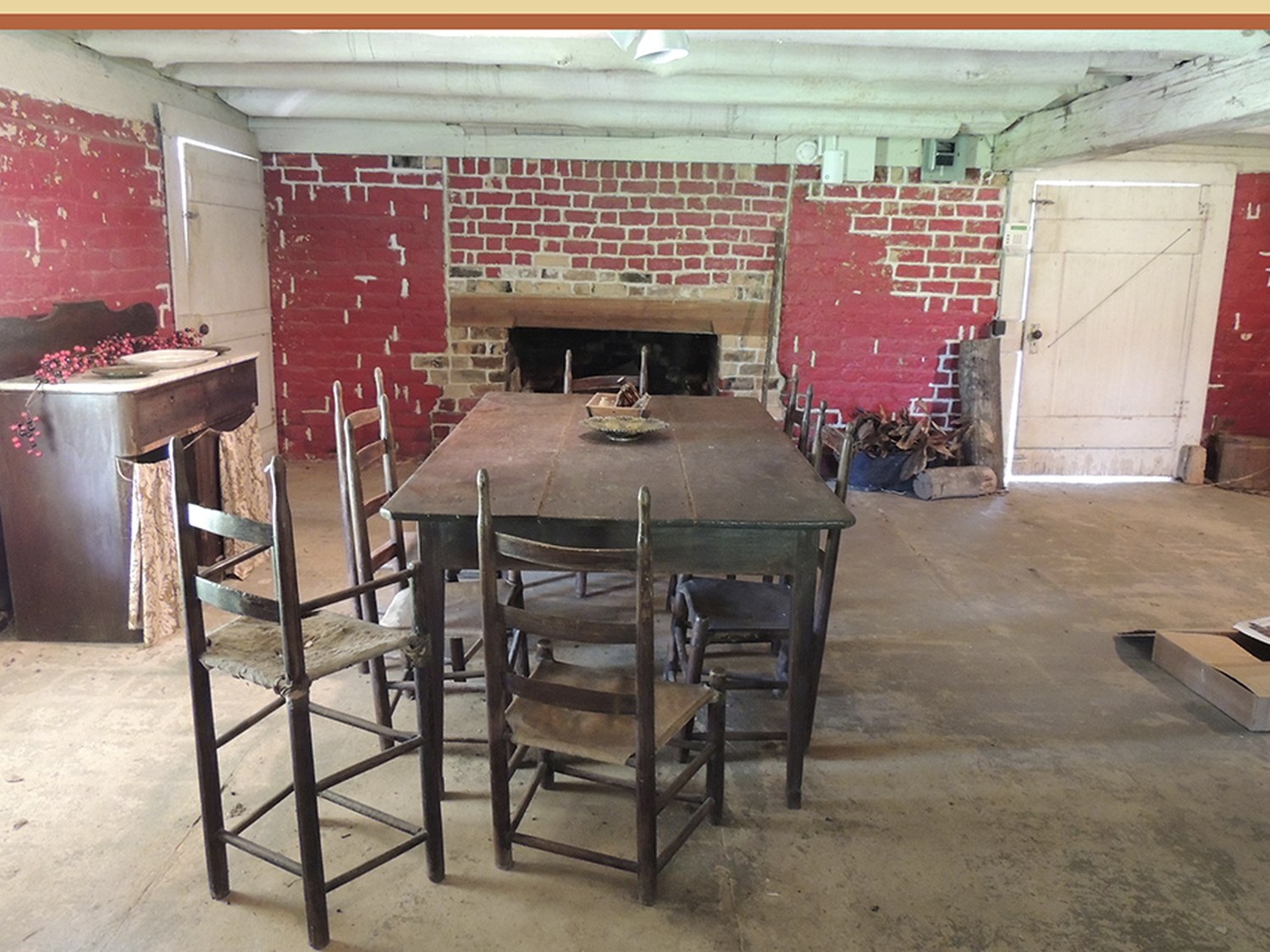
A brick-walled lower room with a long table and chairs set for a meal
Lower floor — the long table
A period bedroom with a quilt-covered bed, fireplace and cradle
The Andrew Jackson bedroom
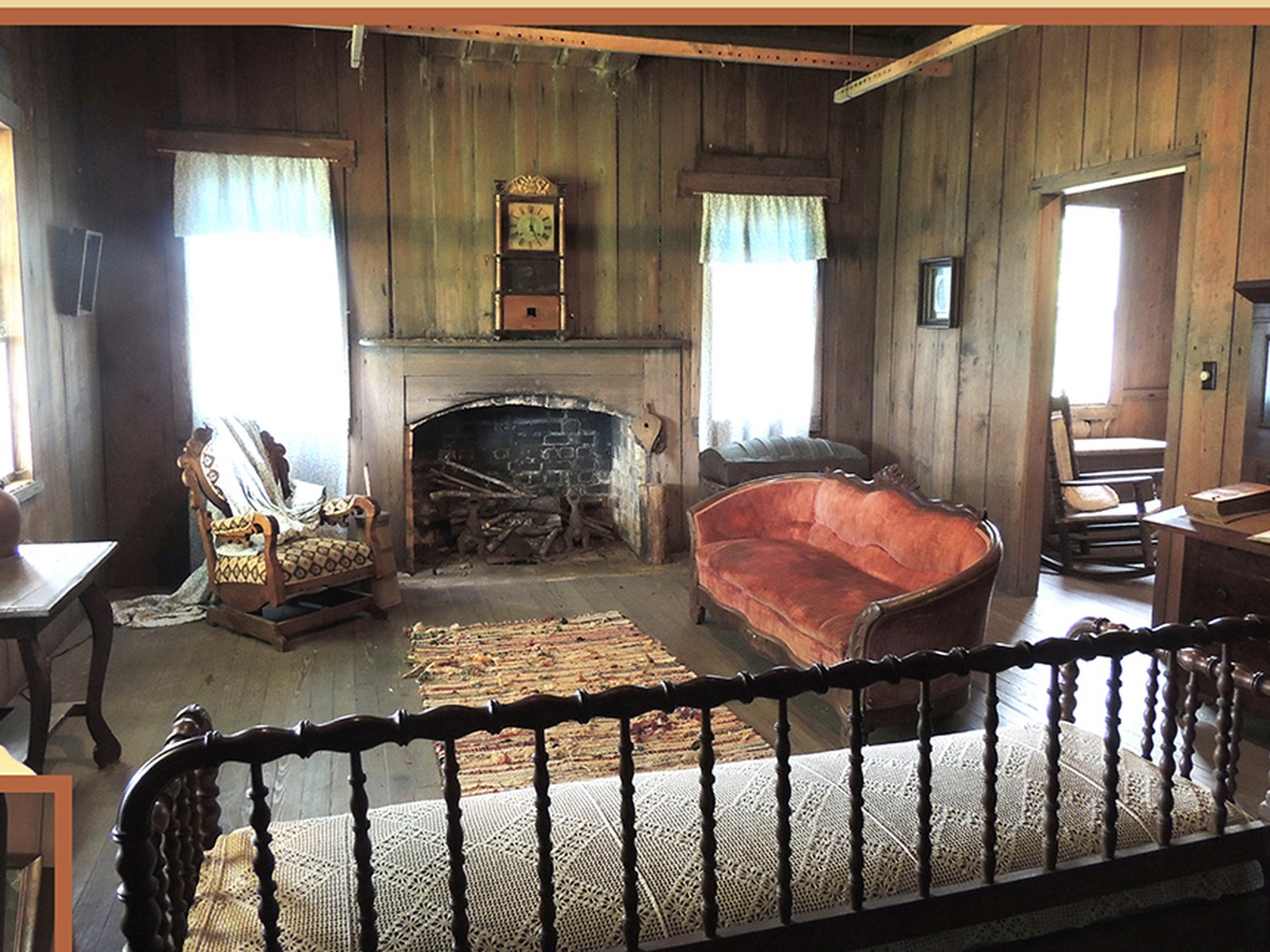
A second-floor room with a fireplace, settee and rocking chair
Second floor
A display case and writing desk marking the site of the territorial post office
The post office corner

On the wall at the museum

The Beginnings of Our Community.

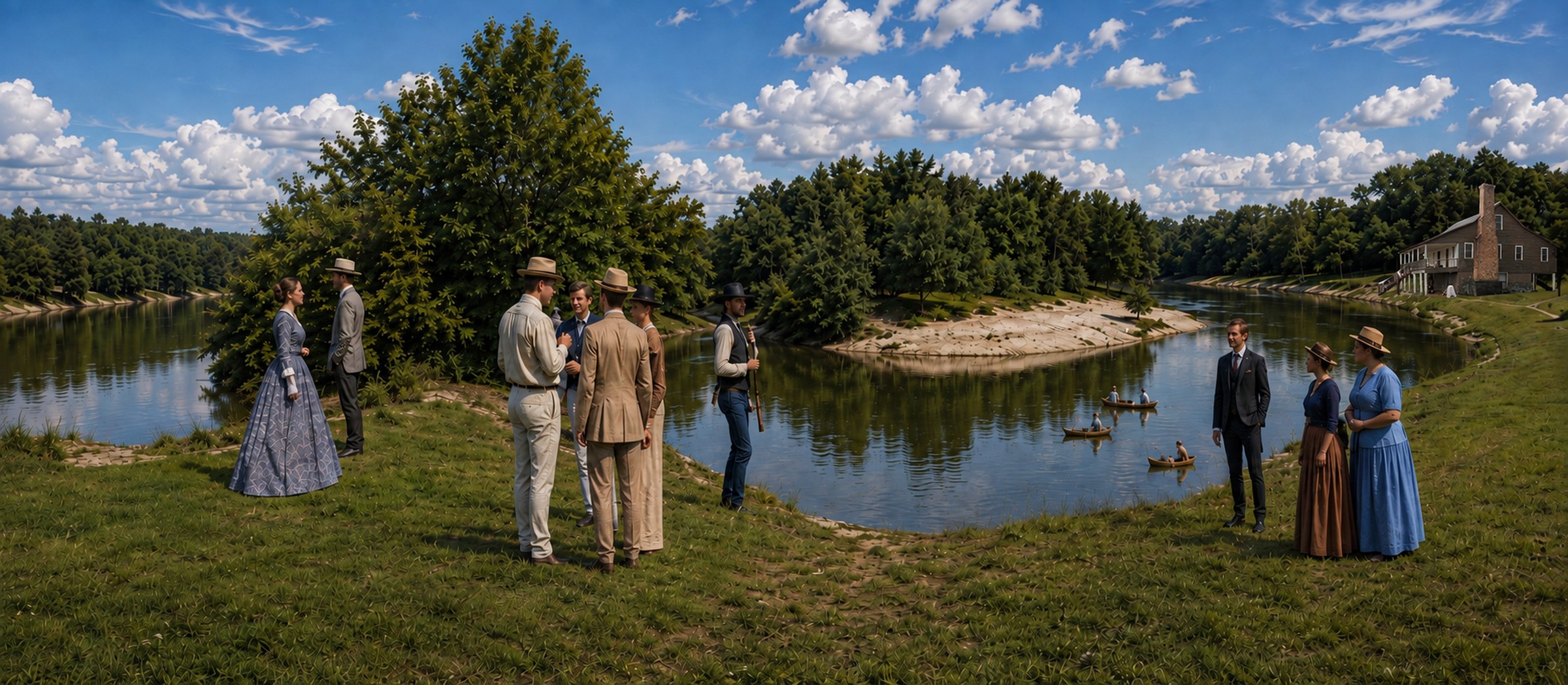
A mural at the museum runs the county's first four centuries along a single stretch of the Pearl River — Spanish explorers, the Ford house, statehood, the timber boom. The dates below are transcribed from it so they can be searched and read on a phone, but the painting itself is worth standing in front of.

The Beginnings of Our Community — a painted panorama of the Pearl River with figures in period dress, canoes on the water, and the John Ford Home on the far bank

Tap the mural to open it full size.

1500s — Spanish explorers arrive in Yakni, or "fruitful earth," as the Native Americans call the Marion County region.

1792–1809 — John Ford's home is built with a stockade at "Fordsville," near the Pearl River at Sandy Hook.

1798 — April 7. The Mississippi Territory (Mississippi and Alabama), seen by pioneering families as "The Garden of Eden," becomes an incorporated territory of the United States.

1805 — John Lott Jr. settles on the east side of the Pearl River. The place is named Lott's Bluff, later renamed Columbia after Columbia, South Carolina, from whence many pioneer families came.

1812 — December 26. One of the first post offices in the territory is established at the Ford House, a major intersection of the post roads.

1814 — November 27. General Andrew Jackson stays the night at the John Ford Home on his way to the Battle of New Orleans, with his militia and Choctaw Indians.

1816 — The Pearl River Convention meets at the John Ford Home to draft a resolution for Mississippi statehood.

1817 — December 10. Mississippi becomes the twentieth state in the Union.

1819 — June 25. Columbia becomes the fourth incorporated municipality in Mississippi.

1821–1822 — From November, Columbia serves as the temporary capital of Mississippi.

1822 — The state legislature meets at the Stovall Spa Mineral Springs Hotel, three miles north of Columbia. The decision is made there to move the capital to Le Fleur's Bluff — what is now Jackson.

1859 — Mississippi becomes the leading cotton producer in the United States.

1904 — Mississippi's timber boom begins. Towns like Columbia prosper along the rail lines supporting the lumber mills, and Mississippi becomes third in the nation in lumber production.

1936 — Columbia's Governor Hugh White establishes the BAWI program, "Balance Agriculture with Industry."

Make an afternoon of it

Pair it with a walk downtown.

The courthouse dome, the historic storefronts, the Pearl River plaza — the museum is chapter one of a walkable story.